Mientjie Kleinhans

Q & A: Milk teeth

Q: Do cats have milk teeth, and when do they fall out? A: Kittens do have milk teeth. These teeth are called deciduous teeth. They start to get teeth at about two weeks of age. The deciduous incisors erupt at about two to four weeks of age, the canines at three to four weeks, and

Q & A: Milk teeth Read More »

Scent work for dogs, part 2

Dogs use their noses (sense of smell) to create images of who or what have been crossing their paths wherever they are. We can use this natural instinct to stimulate them mentally – it’s called scent work. Our first article looked at the benefits and showed you some exercises. If you have been practising those

Scent work for dogs, part 2 Read More »

Some interesting squirrel facts

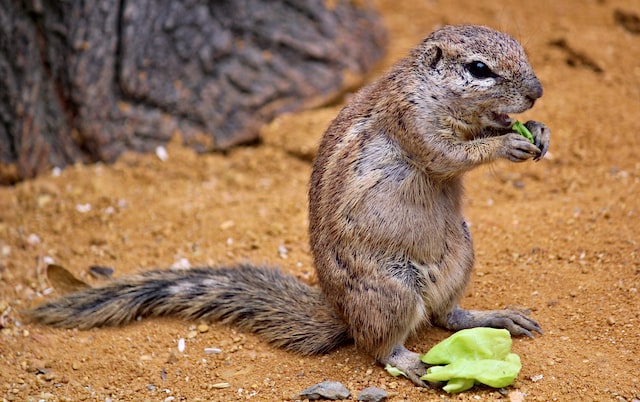
Squirrels can be so fascinating to watch. The way they go about their day – always in a hurry. Here are some interesting facts you might not have known. International Squirrel Appreciation Day is 21 January A squirrel’s teeth never stop growing. Squirrels from around the world stash their food for the cold winter months.

Some interesting squirrel facts Read More »

Q & A: Cat fangs

Q: Why do today’s cats need fangs? A: Although domestic cats can potentially live without teeth (if fed the correct diet), they are still true carnivores, and given the opportunity, will hunt and kill small prey. The canine teeth (fangs) are used to kill and shred the prey. They can also use these teeth to

Q & A: Cat fangs Read More »

Can music help your dog?

Henry Thoreau, a poet from the 1800s, once said: “When I hear music, I fear no danger. I am invulnerable. I see no foe.” Could it be that music potentially has the same effect on dogs? Why do we love music? A lot of research has gone into the subject, but scientists aren’t completely sure

Can music help your dog? Read More »

Wild tiger facts

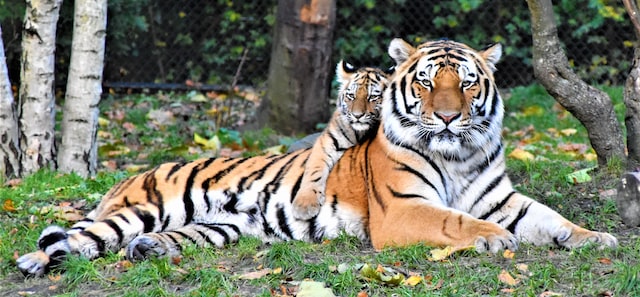
Tigers are such majestic animals and so incredibly beautiful. Here are some interesting facts you might not have know about them: Tigers can live between -40 to 40°C. Tigers love water, so don’t be surprised if you see one swimming and playing in a dam or river. They even have webbed feet that help them

Wild tiger facts Read More »

Striving for itch-free skin

Those of us who have struggled with a dry scalp and dandruff can testify how frustrating it can be to manage and treat this condition. Now, imagine if your entire body was covered with a hairy coat that is dry, itchy and flaky. Unfortunately, for many dogs, this is the case, and it’s largely left

Striving for itch-free skin Read More »

Q & A: Corn on the cob

Q: My dog loves corn on the cob, but is it acceptable for him to chew the cob? A: Chewing the actual cob is not a problem, it is when they swallow the whole cob that the problems start! Corn cobs get stuck in dogs’ intestines and cause an obstruction, which is very serious. The

Q & A: Corn on the cob Read More »

Interesting random animal facts

Use this information to test your or your friend’s knowledge about animals facts. There are about 3,600 mosquito species in the world. A female mosquito can suck about five microlitres of blood in one bite. That’s about the size of a dried mustard seed. Vampire moths can be found just about all over the world

Interesting random animal facts Read More »

Tips for pairing pet birds

Birds have intrigued people for many decades, so much so that people started to cage them for their beauty. Over the years, some birds have been domesticated, and have been bred to be companion animals. While some birds are social and need to be with other birds, there are those who don’t do well sharing

Tips for pairing pet birds Read More »